Dec. 29, 2025
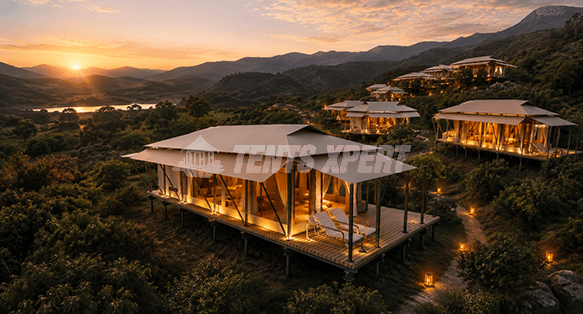
Glamping has rapidly become a major trend in the worlds of sports tourism and experiential hospitality. The idea of attending a live sports event and staying in a luxury tent has attracted the fans to the point where they get to lodge in the stadium grounds, thus turning match-day travel into a deeply engaging and very exclusive journey. This piece explores this new trend as the next big thing in the sports tourism market that is rapidly growing and also points out some outstanding cases worldwide.
To grasp the increasing popularity of glamping in sports destinations, one needs to see the changes first in the market of sports tourism. Sports tourism has evolved tremendously; it is no longer about merely being present at the events. It has transformed into a holistic travel experience covering accommodation, transport and cultural immersion. The pinnacle of this boom is the demand for unique fan experiences, where fans seek deeper involvement in the event, including access to exclusive areas and extended experiences.
Glampingeither at the stadium or close by, is a great way to meet this need, as it mixes the fan experience with leisure tourism. The sports tourism sector accounts for about 10% of the overall global tourism expenditure, and therefore, it is turning into a major player in the global economy. This trend is in harmony with forecasts made by market analysts.
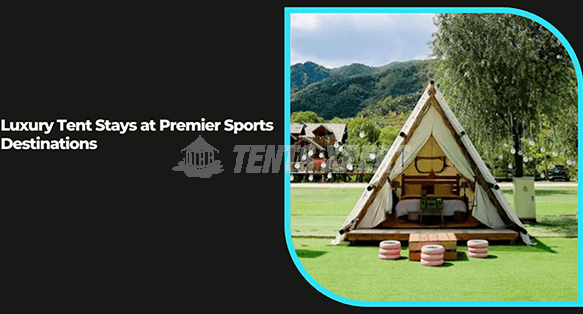
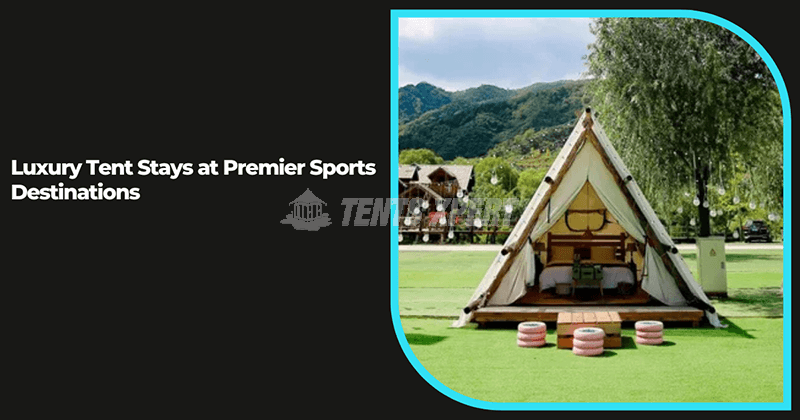
Glamping is different at sports locations, ranging from temporary domes set up in the stadium area to high-end tents that are close by. It is more like a hotel than a tent, which provides such conveniences as a bed, air-conditioning, Wi-Fi, and a bathroom, thus attracting contemporary travelers.
• Permanent Stadium Domes: These are buildings that are planned to be used all year round and are part of the stadium's structural facilities.
• Pop-up or Event-Based Glamping: Temporary camps set up for large events such as a tournament, a concert, or a season-based sport.
• Adjacent Glamping Resorts: Deluxe tent stays that are located near famous sports venues and provide close match locations along with top-notch amenities.
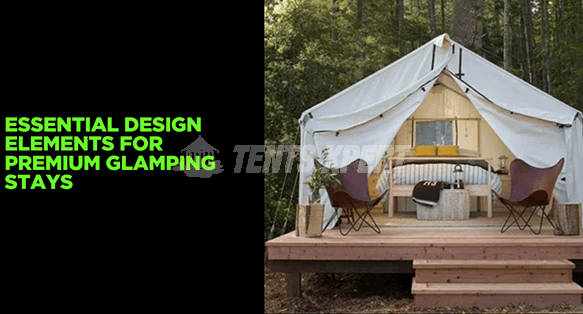
The most suitable materials are those that are strong and can resist different weather conditions, and have good insulation. Generally, a top-notch, waterproof, and UV-resistant canvas is utilized together with environmentally friendly materials like bamboo and recycled wood. These natural materials not only provide a firm bond with nature but also keep the glamping experience luxurious.
Staydium Glamping at Eden Park in Auckland could be considered the most popular example by far of this trend. The venue where the national rugby and cricket teams of New Zealand play has collaborated with Airbnb to offer two domes overlooking the stadium.
Key features include:
• A queen-sized bed along with premium Samsung appliances.
• Complimentary Wi-Fi, private parking, and the fridge will be stocked with items on your arrival.
• A guide led the stadium tour, and it included the players’ tunnel, the coach’s box, the changing rooms, and the field. These are the areas that are mostly quite inaccessible.
It is a revolutionary model providing fans with a unique experience of being able to live in the stadium area with unparalleled closeness to the field. It is being reported by the commentators as the only one of its kind among the stadiums worldwide.
Although these sites may not be found exclusively in stadiums, a few glamping locations have turned into the preferred lodging of some fans during the NFL's major events like the Super Bowl. According to Glamping Hub, one can find luxury cabins, domes, safari tents and treehouses that are reachable within a couple of hours' drive from the NFL stadiums.
These venues aim at the comfort of the fan and a congenial atmosphere among the fans by offering game rooms, hot tubs, big-screen TVs, fire pits, and areas for communal ‍‌use. Therefore, the model turns a match-day stay into a weekend getaway, thus attracting the increasing number of passive sports tourists who mostly consider the event experience as their main involvement.
Glamping ‌ either inside or close to stadiums gives the fans a chance to be part of their team’s stories in a much deeper way. Such a stay basically changes the idea of just a day visit into a full-fledged, multi-sensory, overnight experience, thus it is a step beyond what is usually offered by traditional hotels.
Stadium operators can make use of unproductive or less productive lands by providing glamping. Rather than simply letting vast spaces lie idle on days when there are no games, these areas may be converted into either temporary or permanent lodging locations, thus producing extra income and broadening their product range.
Not all sports tourists travel on a tight budget; a good number of them don't mind spending more to get a new, exclusive, and authentic experience. Glamping is meeting this need, especially for wealthy and experientially-oriented groups.
Glamping units, mostly pop-up domes, tend to have a lower negative impact on nature compared to a traditional hotel. Being either modular or temporary, such facilities allow stadiums to change the number of available places depending on the needs of match days and the event calendar.
Although the idea is interesting glamping at sports venues faces some problems from a practical and operational perspective:
• Logistics & Infrastructure:The provision of electricity, sanitation, waste disposal and security within stadium precincts may necessitate detailed planning and a considerable financial outlay.
• Regulatory Constraints:Local zoning laws, safety regulations and permit requirements may make it difficult to set up permanent glamping facilities in or around stadiums.
• High Capital Costs:The luxury domes or tents with top-of-the-line features may be expensive both for the initial construction and for regular maintenance, and the returns will depend on how full the glamping will be during the matches.
• Seasonality Risk:The demand for glamping may be very high during major events and very low during off-seasons, thus making it difficult to maintain profitability without additiona programming.
The merging of glamping and sport tourism indicates the industry's maturation. Since sports tourism is changing from simple ticket sales and match attendance to a more comprehensive travel experience, innovative accommodation models like glamping are getting more and more significant. Travelers are progressively looking for the products that combine game-day tickets with unusual stays, transport, and tours at the exact location where glamping is.
This drift to passive sports tourism, a mode whereby travelers attend events without active participation, is also in line with the growth of the latter. Passive tourism is among the biggest sectors of sports tourism, especially in the case of mega-events. From an economic point of view, stadium glamping is a way to get the most out of venue assets through a continuous revenue stream. Besides, it makes sports tourism more attractive to cities and regions as it extends visitor stays, increases spending on hospitality, and encourages secondary tourism activities.
Several potential evolutions may influence the shape of glamping in the future of sports tourism:
• Pop-up Camps for Mega Events:One of the effects of major tournaments like the Olympics, Rugby World Cup or FIFA World Cup may be visible in luxury campsites. Besides venues, luxury temporary campsites might be set up to access and meet the high demand in the closest areas to events.
• Branded Collaborations: Teams, leagues, and sponsors through partnerships with hospitality brands may create co-branded glamping experiences. Such experiences may be offered to the fan loyalty benefits or the issuance of exclusive merchandise.
• Technology Enhancements:Glamping domes with augmented reality (AR) and virtual reality (VR) technologies may become the norm soon. Team history displays, virtual stadium tours, or in-dome match viewing are just a few examples of the immersive experiences that might be there.
The transformation of glamping into stadiums is a major innovation in the hospitality and sports tourism market. It not only makes the fan experience more enjoyable by providing luxury accommodations at the venue of the fan’s choice, but also opens new avenues of earning for the venues and contributes to the expansion of the sports tourism industry. As per the Pristine Market Insights have been pointing out that travelers are looking for full immersion experiences rather than just attending games.
Although there are difficulties in the form of complicated operations, variations in regulations, and periods affected by seasonal demand, the idea of spending the night in a stadium combined with the provision of upscale amenities is still a powerful argument for the consumer’s engagement. Definitely, with proper organization and support from the partners, glamping at world-class sports destinations can be a normal way of fan traveling in the future combining the love for sports and the comfort of camping.
Author's Bio:
Sandhya Jadhav is a research analyst who explores emerging travel and lifestyle trends. In “Glamping Meets Game Day: Luxury Tent Stays at Premier Sports Destinations,” she bringsa concise, insight-driven perspective to the rise of luxury outdoor stays at major sporting events.

Chat Now