Jul. 13, 2026
The travel landscape has fundamentally shifted. Micro-vacations, eco-tourism, and wellness retreats are no longer just trends—they are the core of modern hospitality. At the intersection of this movement sits glamping (glamorous camping).
For landowners, farmers, and hospitality entrepreneurs, starting a glamping business is one of the most lucrative ways to monetize land with minimal permanent infrastructure. If you want to turn a patch of nature into a high-yield asset this year, this step-by-step guide will show you exactly how to build, launch, and scale a successful glamping resort from scratch.
Yes, exceptionally so—but the rules of the game have changed.
The days of simply throwing a basic bell tent on a platform and charging $200 a night are gone. Today’s market demands experiential luxury. Travelers are actively seeking unique architectural structures—like geodesic domes, safari tents, and treehouses—that offer hotel-grade amenities (such as high-speed Wi-Fi, plunges pools, and premium bedding) surrounded by raw nature.
According to global market research, the glamping industry continues to experience a compound annual growth rate (CAGR) of over 11-12%, on track to become a $9+ billion market globally by the early 2030s. Because setup costs are significantly lower than building a traditional boutique hotel, the return on investment (ROI) remains incredibly fast, often allowing hosts to break even within their first 12 to 18 months.
Before buying a single tent, you need to look at the data. Successful glamping sites solve a specific regional demand.
Analyze the Competition: Look at Airbnb, Booking.com, and Glamping Hub within a 2-hour driving radius of your target area. What are they charging? What are their occupancy rates? What complaints do guests leave in their 3-star reviews (e.g., "too cold," "no privacy")?
Identify Your Target Audience: Will your site cater to romantic couples, stressed-out urban tech workers looking to unplug, or high-income families?
Find Your Unique Selling Proposition (USP): You need a hook. Is it an incredible mountain view, private wood-fired hot tubs, or proximity to a famous national park?
A solid business plan keeps you on budget and is essential if you plan to secure bank loans or attract investors. Your plan should clearly outline:
Executive Summary: Your brand identity and mission statement.
Operational Model: Will you manage it full-time, hire a property management company, or operate a seasonal pop-up?
Financial Projections: Realistic cash flow forecasts, including low-season survival strategies.
Marketing Strategy: How you will acquire guests without relying solely on third-party platforms.
Location dictates your nightly rate and your occupancy percentage.
The 2-Hour Rule: The most profitable glamping sites are located within a 1 to 2.5-hour drive from a major metropolitan area. Modern travelers want to escape for a weekend without spending a whole day driving.
When evaluating land, consider these critical factors:
Accessibility: Can a standard two-wheel-drive sedan easily access the property in the rain or snow?
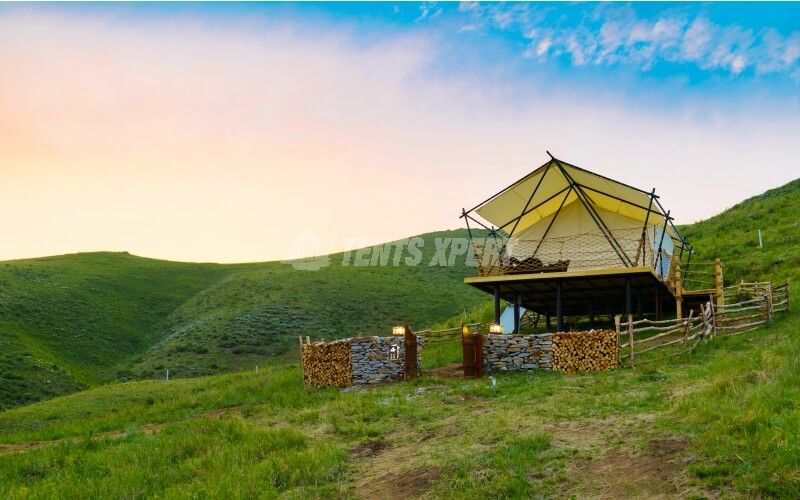
Topography & Views: Flat land is easier and cheaper to build on, but slopes or ridges offer the dramatic, Instagram-worthy views that command premium pricing.
Utilities: Is there existing access to grid electricity and water, or will you need to build an off-grid system (solar arrays, water holding tanks, and compost/sewage solutions)?
Navigating local bureaucracy is the single biggest bottleneck for new glamping businesses. Never buy land or structures until you have checked local zoning laws.
Zoning Laws: Check with your local planning department to see if "short-term rentals," "campgrounds," or "agritourism" are permitted on the property.
Building Codes: Even though glamping tents are technically "semi-permanent structures," many counties require engineering approvals for the wooden decks they sit on.
Environmental & Waste Permits: You will need approved plans for greywater and blackwater management (septic tanks or advanced eco-toilets) to protect local water tables.
Timeline Reality Check: Expect the permitting process to take anywhere from 3 to 9 months. Factor this delay into your financial timeline.
While cheaper than a traditional hotel, a commercial-grade glamping site requires serious investment. A realistic startup budget for a single, premium, year-round unit ranges between $15,000 and $35,000.
| Expense Category | Estimated Cost (Per Unit) | Description |
| Luxury Structure | $3,500 – $12,000 | Geodesic dome, safari tent, or premium insulated bell tent. |
| Decking & Base Platform | $2,500 – $6,000 | Lumber, hardware, and labor for a raised foundation. |
| Interior Furnishings | $2,000 – $5,000 | King bed, luxury linens, seating, decor, and lighting. |
| Utilities & Plumbing | $3,000 – $8,000 | Off-grid solar/generator, water pumps, water heater, and bathroom fixture setup. |
| Permits & Legal Fees | $1,500 – $4,000 | Surveyors, environmental reports, and local council application fees. |
| Total Estimated Startup | $12,500 – $35,000 | Note: Costs scale down per unit if building multiple units simultaneously. |
Your structure defines your brand. Choose a style that matches your climate and target demographic.
Geodesic Domes (Best for Year-Round/Luxury): Exceptionally strong, highly wind and snow-resistant, and visually futuristic. Great for adding panoramic stargazing windows and full insulation for winter.
Safari Tents (Best for Eco-Luxury & Families): Built on large wooden frames, offering straight walls and massive floor space. They feel like true luxury hotel suites in the wild.
Bell Tents (Best for Budget/Seasonal Pop-ups): Quick to pitch and cost-effective. Ideal if you are testing the market during the summer months, but less suitable for heavy winter climates.
In 2026, glamping is an interior design game. Your interiors must look incredible on camera and feel deeply comfortable in reality.
The Sleep Experience: Do not skimp on the bed. Buy a high-quality mattress, high-thread-count sheets, and plenty of pillows.
Climate Control: Install a wood-burning stove or pellet heater for cozy winter vibes, and solar-powered fans or small split AC systems for hot summers.
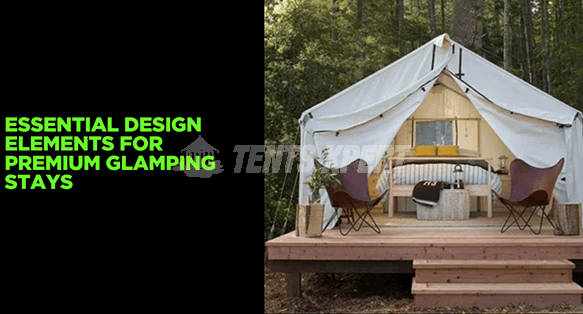
Outdoor Amenities: The space outside the tent is just as important. Include a private fire pit, comfortable outdoor seating, ambient string lights, and an outdoor bathing experience (like a stock tank pool or cedar hot tub).
To avoid paying massive commissions (up to 15-20%) to online travel agencies forever, you must build an independent direct-booking engine.
Website Design: Use clean, highly visual platforms like Squarespace, WordPress, or Shopify. Prioritize high-resolution photography and mobile-friendly layouts.
Property Management System (PMS): Use specialized software like Guesty, Hospitable, or Lodgify. These systems sync your calendar automatically across your direct website, Airbnb, and Booking.com to prevent double-bookings.
Automated Communication: Set up triggered emails and texts to send guests check-in instructions, packing lists, and local guides 3 days before their arrival.
A beautiful site is useless if nobody knows it exists. Focus your marketing engine on high-impact channels:
Influencer Marketing: Invite local travel and lifestyle influencers to stay at your site for free during your soft-launch phase in exchange for high-quality content (Reels, TikToks, and photos).
Short-Form Video: Consistently post behind-the-scenes content on TikTok and Instagram Reels showing the peaceful sounds of rain on the tent, the fire crackling, or the morning fog. This organic content drives massive traffic.
SEO (Search Engine Optimization): Optimize your website for local search terms like "Best romantic getaways near [Your City]" or "Glamping dome rental in [Your State]".
Let’s look at a realistic financial performance scenario for one high-end geodesic dome running for a full year:
Average Nightly Rate (ADR): $200
Occupancy Rate: 55% (approx. 200 nights booked out of 365)
Gross Annual Revenue: $200 × 200 = $40,000
Annual Operating Expenses (OpEx): $8,000 (Insurance, cleaning supplies, platform fees, wood/utilities)
Net Annual Profit: $32,000
With an initial setup cost of $25,000, you will fully recover your investment within the first 10 to 12 months of operation. Year two and beyond will yield incredibly high profit margins.
Ignoring the Weather: Condensation, high winds, and intense heat can ruin a guest’s stay. Invest in heavy-duty canvas, proper ventilation, and high-quality insulation liners from day one.
Underestimating Maintenance: Nature degrades things quickly. You need a rigorous daily cleaning and weekly property maintenance checklist to keep canvas, wood decks, and outdoor tubs looking brand new.
Poor Privacy Layouts: If you build multiple units, do not place them right next to each other. Guests pay a premium for the illusion of isolation. Use trees, land contours, or fencing to give every tent a private zone.
To inspire your journey, look at how different concepts find success in the real world:
The Off-Grid Stargazer Dome (Desert/Mountain): Located in high-altitude environments, these setups feature 360-degree clear ceiling panels, minimalist bohemian decor, and massive solar battery arrays to run luxury espresso machines and hot showers completely off the grid.
The Agritourism Safari Suite (Wine Country/Farm): Positioned on a working vineyard or luxury horse farm. They bundle the stay with local farm-to-table breakfast baskets, private wine tastings, and interaction with farm animals, commanding rates upwards of $350+ per night.
A: No. Many successful operators use a land-lease model. You can partner with local farmers or landowners who have beautiful, unused acreage, offering them a fixed monthly rent or a percentage of your booking revenue (typically 10-15% of gross income).
A: High-quality, commercial-grade PVC geodesic domes or treated architectural canvas safari tents can easily last 8 to 12+ years if properly maintained. Structural covers can also be replaced independently without needing to rebuild the interior or the wooden deck.
A: Yes. By choosing a geodesic dome with multi-layer insulation and installing a properly vented wood stove or an electric heat pump, you can market your site as a cozy winter wonderland retreat, maintaining solid occupancy rates even in the snow.
Starting a glamping business is one of the most rewarding ways to break into the modern hospitality market. It blends creative outdoor design with incredibly strong financial returns. By focusing on a highly visual structure, premium guest comfort, and a strong digital presence, you can build a lifestyle business that generates passive income for years to come.
Ready to build your dream retreat? Start by calling your local planning office this week to ask about short-term rental zoning in your target area—taking that first step is how your future resort becomes a reality!

Chat Now